
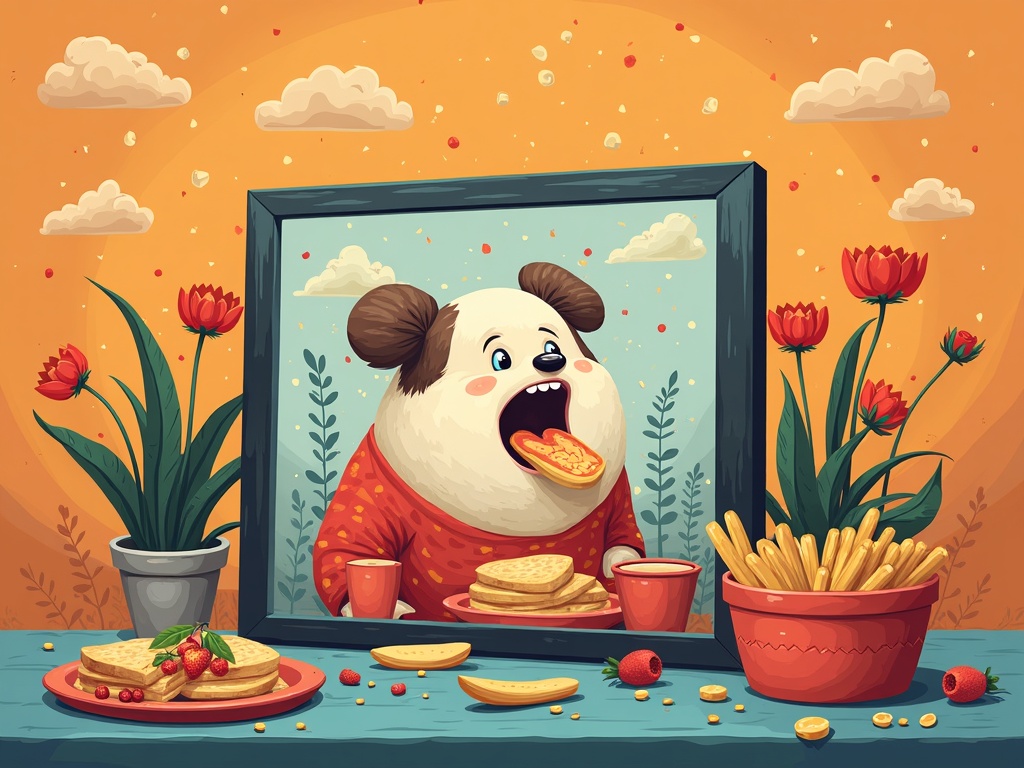
How to Stop Eating Your Feelings: A Comprehensive Guide
Ever find yourself knee-deep in a pint of ice cream after a tough day, even when you're not physically hungry? Or maybe you reach for that bag of chips every time you feel stressed or anxious? You're not alone. Emotional eating, the act of using food to cope with feelings, is a common struggle. But it's a habit that can be broken. This guide will provide you with actionable strategies on how to stop eating your feelings and develop healthier coping mechanisms.
Understanding Emotional Eating
Before diving into solutions, it's crucial to understand what emotional eating *reallyis. It's more than just enjoying a treat; it's using food to suppress or soothe negative emotions, such as sadness, anger, boredom, stress, or loneliness. Unlike physical hunger, which builds gradually, emotional hunger often strikes suddenly and intensely, craving specific comfort foods.
The Difference Between Emotional and Physical Hunger
Distinguishing between emotional and physical hunger is the first step to regaining control. Consider these key differences:
- Onset: Physical hunger comes on gradually; emotional hunger hits suddenly.
- Location: Physical hunger is felt in the stomach; emotional hunger is felt in the mind.
- Craving: Physical hunger is satisfied by any food; emotional hunger craves specific comfort foods.
- Satiety: Physical hunger is satisfied when full; emotional hunger can persist even after eating a lot.
- Guilt: Emotional eating often leads to feelings of guilt and shame afterward.
Identifying Your Emotional Eating Triggers
What situations, feelings, or thoughts trigger your emotional eating? Pinpointing these triggers is essential for developing effective coping strategies. Common triggers include:
- Stress: Deadlines, work pressures, or relationship problems.
- Sadness or Loneliness: Feeling down, isolated, or grieving a loss.
- Boredom: Having nothing to do or feeling unfulfilled.
- Anger or Frustration: Feeling irritated, resentful, or powerless.
- Habit or Cues: Certain times of day, places, or activities that automatically lead to eating.
Keep a food diary for a week or two, noting not just what you eat, but also how you felt before, during, and after eating. This can help you identify patterns and uncover your personal emotional eating triggers.
Strategies to Stop Eating Your Feelings
Now that you understand emotional eating and your personal triggers, let's explore actionable strategies to break free from this cycle.
1. Develop Emotional Awareness
The cornerstone of overcoming emotional eating is learning to recognize and understand your emotions. Many emotional eaters are disconnected from their feelings, using food as a way to avoid or numb them.
**Practice Mindfulness:Mindfulness involves paying attention to the present moment without judgment. Meditation, deep breathing exercises, or simply focusing on your senses can help you become more aware of your emotions.
**Journaling:Writing about your feelings can provide clarity and insight. Don't worry about grammar or structure; just let your thoughts flow onto the page.
**Name Your Emotions:When you feel an urge to eat, pause and ask yourself, What am I feeling right now? Labeling your emotions can help you process them more effectively. If you are experiencing anxiety then consulting with a doctor and finding a treatment plan may assist in diminishing emotional eating habits.
2. Find Healthy Coping Mechanisms
Once you're aware of your emotions, you need to develop healthy ways to cope with them that don't involve food.
**Exercise:Physical activity is a powerful mood booster. A brisk walk, a bike ride, or a dance session can release endorphins and reduce stress.
**Connect with Others:Talking to a friend, family member, or therapist can provide support and perspective.
**Engage in Hobbies:Pursue activities that you enjoy and that bring you a sense of accomplishment, such as painting, reading, gardening, or playing music.
**Practice Relaxation Techniques:Deep breathing, progressive muscle relaxation, or yoga can help calm your nervous system and reduce anxiety.
3. Challenge Your Thoughts
Emotional eating is often fueled by negative thoughts and beliefs about yourself and your emotions. Cognitive behavioral therapy (CBT) techniques can help you challenge these thoughts and develop more positive and realistic perspectives.
**Identify Negative Thoughts:Pay attention to the thoughts that precede your urge to eat. Are they self-critical, judgmental, or hopeless?
**Challenge the Evidence:Ask yourself, Is there any evidence to support this thought? Is there another way to look at the situation?
**Replace Negative Thoughts with Positive Ones:Reframe your negative thoughts into more positive and realistic ones. For example, instead of thinking, I'm a failure, try, I made a mistake, but I can learn from it.

4. Create a Supportive Environment
Your environment can significantly impact your eating habits. Create a supportive environment that makes it easier to resist emotional eating.
**Remove Trigger Foods:Get rid of tempting junk foods from your home and workplace.
**Stock Healthy Options:Keep healthy snacks readily available, such as fruits, vegetables, nuts, and yogurt.
**Plan Your Meals:Planning your meals in advance can help you avoid impulsive eating decisions.
**Establish a Routine:A regular sleep schedule, meal times, and exercise routine can promote emotional stability and reduce cravings.
5. Practice Mindful Eating
Mindful eating involves paying attention to your food and the experience of eating, without judgment. This can help you reconnect with your body's hunger and fullness cues and prevent overeating.
**Eat Slowly:Take small bites and chew your food thoroughly.
**Pay Attention to Your Senses:Notice the colors, textures, smells, and tastes of your food.
**Eliminate Distractions:Turn off the TV, put away your phone, and focus on your meal.
**Listen to Your Body:Eat until you're satisfied, not stuffed.
Seeking Professional Help
If you're struggling to overcome emotional eating on your own, don't hesitate to seek professional help. A therapist or registered dietitian can provide personalized guidance and support.
Therapy
Therapy, particularly cognitive behavioral therapy (CBT) or dialectical behavior therapy (DBT), can help you identify and address the underlying emotional issues that contribute to your emotional eating. A therapist can also teach you coping skills and strategies for managing your emotions in a healthier way.
Registered Dietitian
A registered dietitian can help you develop a healthy eating plan and learn about nutrition. They can also provide guidance on mindful eating techniques and help you identify and manage food cravings.
"Unlock the Secrets to Mastering Portion Control and Cultivating a Healthier Relationship with Food"
Long-Term Strategies for Success
Overcoming emotional eating is a journey, not a destination. It requires ongoing effort and commitment. Here are some long-term strategies to help you stay on track:
Practice Self-Compassion
Be kind and forgiving to yourself. Everyone makes mistakes. If you slip up and eat emotionally, don't beat yourself up about it. Acknowledge it, learn from it, and move on. Self-compassion is key to building resilience and preventing future episodes of emotional eating.
Celebrate Your Progress
Acknowledge and celebrate your successes, no matter how small. Each time you resist an emotional eating urge or choose a healthy coping mechanism, you're making progress. Rewarding yourself for your efforts can help you stay motivated.
Build a Support System
Surround yourself with supportive people who understand your struggles and encourage your efforts. Talking to friends, family members, or joining a support group can provide valuable emotional support and accountability.
Stay Consistent
Consistency is key to long-term success. Stick to your healthy coping strategies, even when you're feeling good. Don't let your guard down and revert to old habits.
Conclusion
Learning how to stop eating your feelings is a challenging but rewarding journey. It requires self-awareness, commitment, and a willingness to explore healthier ways of coping with emotions. By implementing the strategies outlined in this guide, you can break free from the cycle of emotional eating and develop a more balanced and fulfilling relationship with food and yourself. Remember to be patient with yourself, celebrate your progress, and don't be afraid to seek professional help when needed. You've got this! And if you're struggling to find support, consider resources like [externalLink insert], which offer valuable information and community connections.