

How to Feel Full on Smaller Portions: A Guide to Satiety
Ever find yourself staring longingly at an empty plate, minutes after finishing a sensible meal? The quest to feel satisfied with less food is a common one, and thankfully, it's achievable. It's not about suffering through pangs of hunger, but rather about understanding how your body signals fullness and strategically using that knowledge to your advantage. This guide will delve into the science-backed methods to help you feel full on smaller portions, transforming your relationship with food and supporting your health goals.
Understanding Satiety: The Science of Feeling Full
Satiety is the feeling of fullness and satisfaction that suppresses hunger and the desire to eat. It's a complex process involving hormones, nerves, and the digestive system all working together. Understanding the key players in this process allows for more informed food choices and eating habits.
The Role of Hormones
**Ghrelin:Often called the hunger hormone, ghrelin stimulates appetite. Its levels rise when the stomach is empty and decrease after eating.
**Leptin:Produced by fat cells, leptin signals to the brain that the body has enough energy stores. Higher levels suppress appetite, while lower levels increase it.
**Peptide YY (PYY):Released by the small intestine after eating, PYY reduces appetite and promotes satiety.
**Cholecystokinin (CCK):Another hormone released by the small intestine, CCK slows gastric emptying and increases feelings of fullness.
The Gut-Brain Connection
The vagus nerve acts as a superhighway, relaying messages between the gut and the brain. When food enters the stomach and intestines, signals are sent to the brain regarding the volume and nutrient content of the meal, influencing the release of hormones and the perception of fullness.
Strategic Food Choices for Enhanced Satiety
The kind of food you eat has a huge impact on how full you feel. Prioritizing certain nutrient groups can significantly enhance satiety and make smaller portions more satisfying.
Protein Power: The Satiety Superstar
Protein is arguably the most satiating macronutrient. It increases levels of satiety hormones like PYY and CCK, while also helping to stabilize blood sugar levels, preventing those energy crashes that lead to cravings.
**Include Protein in Every Meal:Aim for sources like lean meats, poultry, fish, eggs, beans, lentils, tofu, or Greek yogurt.
**Snack Smart with Protein:Instead of reaching for a bag of chips, opt for a handful of nuts, hard-boiled eggs, or a protein shake.
Fiber: The Filling Fiber
Fiber, found in plant-based foods, adds bulk to meals without adding many calories. It slows down digestion, keeping you feeling fuller for longer.
**Load Up on Vegetables:Non-starchy vegetables like broccoli, spinach, and salad greens are packed with fiber and nutrients.
**Choose Whole Grains:Swap refined grains for whole grains like brown rice, quinoa, and whole-wheat bread.
**Embrace Legumes:Beans, lentils, and peas are excellent sources of both fiber and protein.
Incorporate whole fruits with skins, such as apples or peaches, for an extra fiber boost.
Healthy Fats: The Satisfying Sidekick
While often feared, healthy fats are essential for satiety and overall health. They help to slow down digestion and promote the release of satiety hormones.
**Add Avocado:A creamy and delicious source of healthy fats.
**Sprinkle Nuts and Seeds:Walnuts, almonds, chia seeds, and flaxseeds are packed with nutrients and healthy fats.
**Cook with Olive Oil:A heart-healthy fat that can enhance the flavor of your meals.
**Enjoy Fatty Fish:Salmon, tuna, and mackerel are rich in omega-3 fatty acids, which are beneficial for both satiety and brain health.
Water: The Underestimated Appetite Suppressant
Sometimes, thirst is mistaken for hunger. Staying adequately hydrated can not only prevent this misinterpretation but also contribute to overall satiety.
**Drink Water Before Meals:A study published in the *Journal of the American Dietetic Associationfound that drinking water before meals led to reduced calorie intake.
**Carry a Water Bottle:Keep water accessible throughout the day.
**Choose Water-Rich Foods:Fruits and vegetables like watermelon, cucumbers, and celery have high water content.
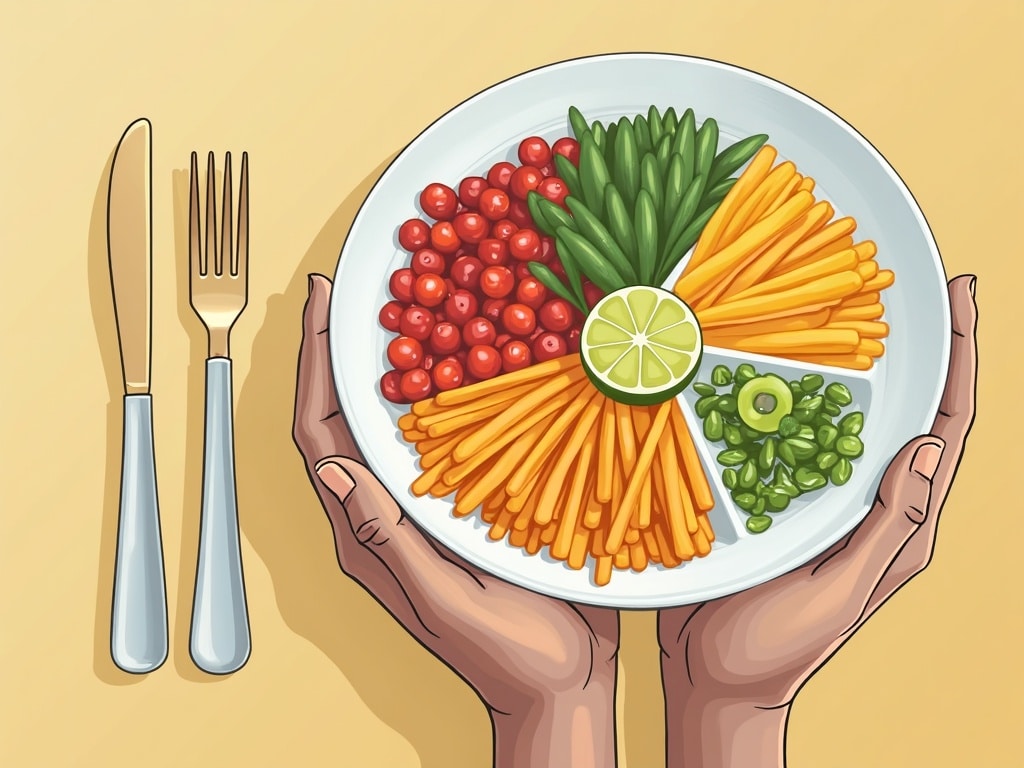
Strategies for Mindful Eating and Portion Control
Beyond *whatyou eat, *howyou eat plays a vital role in feeling full on smaller portions. Mindful eating techniques and portion control strategies can help you tune into your body's natural hunger and satiety cues.
Practice Mindful Eating
Mindful eating is all about paying attention to the present moment and savoring each bite. It can help you slow down, notice your body's signals, and ultimately feel more satisfied with less food.
**Eat Slowly:Put your fork down between bites and focus on chewing thoroughly.
**Eliminate Distractions:Turn off the TV, put away your phone, and focus on your meal.
**Engage Your Senses:Pay attention to the colors, textures, and aromas of your food.
**Listen to Your Body:Stop eating when you feel satisfied, not stuffed.
Use Smaller Plates and Bowls
Visual cues can significantly impact how much you eat. Using smaller plates and bowls tricks your brain into thinking you're eating more, leading to greater satisfaction with smaller portions. Research shows smaller plates result in a reduction of consumed calories throughout the day.
Pre-Portion Your Meals
Instead of eating directly from a large container, divide your food into single-serving portions. This can help you avoid overeating and track your calorie intake more accurately.
Be Mindful of Liquid Calories
Sugary drinks, juices, and even smoothies can add up quickly and contribute to excess calorie intake without providing much satiety. Opt for water, unsweetened tea, or sparkling water instead. If you do drink smoothies, focus on vegetables instead of fruits.
Lifestyle Adjustments for Improved Satiety
Beyond food choices and eating habits, certain lifestyle factors can influence your appetite and satiety levels.
Get Enough Sleep
Sleep deprivation can disrupt hormone balance, leading to increased ghrelin (hunger hormone) and decreased leptin (satiety hormone). Aim for 7-9 hours of quality sleep per night.
Manage Stress
Chronic stress can also wreak havoc on hormones, leading to increased cravings for unhealthy foods. Find healthy ways to manage stress, such as exercise, yoga, meditation, or spending time in nature.
Exercise Regularly
Regular physical activity can improve insulin sensitivity, boost metabolism, and promote overall well-being, all of which can contribute to better appetite control and satiety.
Sample Meal Plans for Feeling Full on Smaller Portions
Here are a couple of sample meal plans, that incorporates the principles discussed above. Remember to modify portions based on your individual needs and activity level.
Meal Plan 1
**Breakfast:Greek yogurt with berries and a sprinkle of nuts.
**Lunch:Salad with grilled chicken or tofu, mixed greens, and assorted vegetables, dressed with olive oil and lemon juice.
**Dinner:Baked salmon with roasted broccoli and quinoa.
Meal Plan 2
**Breakfast:Oatmeal with protein powder and chopped apple.
**Lunch:Lentil soup with whole-wheat bread.
**Dinner:Stir-fried vegetables with shrimp or chicken and brown rice.
Overcoming Common Challenges
Even with the best intentions, there will be times when you struggle with hunger or cravings. Here are some tips for overcoming common challenges.
Avoid Restrictive Diets
Extremely restrictive diets can backfire by leading to intense cravings and eventual overeating. Focus on making sustainable lifestyle changes rather than quick fixes.
Plan Ahead
Having healthy snacks and meals readily available can prevent impulsive choices when hunger strikes.
"Unlock the Secrets to Mastering Portion Control and Cultivating a Healthier Relationship with Food"
Don't Deprive Yourself Completely
Allow yourself occasional treats in moderation to avoid feelings of deprivation.
**The 80/20 Rule:Eat healthily 80% of the time and allow yourself less nutritious foods 20% of the time.
Seek Support
Surround yourself with supportive friends, family, or a registered dietitian who can provide guidance and encouragement.
Conclusion: A Sustainable Path to Satiety
Learning how to feel full on smaller portions is not about deprivation; it's about making informed choices and developing mindful habits that support your health and well-being. By prioritizing protein, fiber, and healthy fats, practicing mindful eating, and making supportive lifestyle adjustments, you can transform your relationship with food and achieve lasting satisfaction. It's a journey of self-discovery and empowerment to nourish your body the right way and feel comfortable in your eating habits. Consult with a healthcare professional or registered dietitian for personalized advice. Remember, sustainable changes are the best changes.