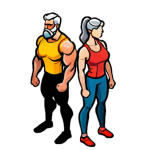

Combating Age-Related Muscle Loss in Men Over 60
Imagine yourself effortlessly hoisting a grandchild, maintaining a vigorous golf swing, or simply bounding up the stairs with youthful energy. That vitality hinges, in large part, on the strength of your muscles. But what happens when age starts chipping away at that foundation? For men over 60, the reality of age-related muscle loss, scientifically known as sarcopenia, becomes a significant concern. It's not just about vanity; it’s about maintaining independence, quality of life, and overall health. Let’s delve into the causes, consequences, and, most importantly, the strategies you can employ to fight back and stay strong for years to come.
Understanding Sarcopenia: More Than Just Getting Older
Sarcopenia isn't simply a consequence of advancing years that you must passively accept. It's a complex process influenced by a myriad of factors, some controllable and others less so. Understanding these factors is the first step in taking proactive measures to mitigate its effects.
Defining Age-Related Muscle Loss
At its core, sarcopenia is the gradual loss of muscle mass, strength, and function that occurs with aging. While the exact age of onset varies, it typically starts around age 30 and accelerates after 60. This decline isn't just about smaller biceps; it affects overall physical capacity, balance, and metabolic health.
The Culprits Behind Muscle Loss
Several factors contribute to age related muscle loss in men over 60:
- Hormonal Changes: Testosterone, a key player in muscle protein synthesis, naturally declines with age. This decrease reduces the body's ability to build and maintain muscle tissue.
- Reduced Physical Activity: A sedentary lifestyle is a major contributor. Muscles weaken with disuse, so a lack of exercise accelerates muscle loss.
- Inadequate Nutrition: Insufficient protein intake is a common problem, especially in older adults. Protein provides the building blocks for muscle repair and growth.
- Inflammation: Chronic low-grade inflammation, which increases with age, can interfere with muscle protein synthesis and accelerate muscle breakdown.
- Neurological Decline: The efficiency of the nervous system in signaling muscles to contract decreases with age, impacting strength and power.
- Underlying Health Conditions: Certain illnesses, such as diabetes, heart disease, and chronic obstructive pulmonary disease (COPD), can exacerbate muscle loss.
Why Muscle Matters: Consequences of Sarcopenia
The impact of age related muscle loss in men over 60 extends far beyond aesthetics. It can significantly affect your health and well-being in a number of ways:
- Decreased Strength and Mobility: Simple tasks like carrying groceries, climbing stairs, or getting out of a chair become more challenging and potentially dangerous.
- Increased Risk of Falls and Fractures: Weak muscles compromise balance and coordination, making you more susceptible to falls and fractures, particularly hip fractures, which can have devastating consequences.
- Reduced Metabolic Rate: Muscle tissue burns more calories than fat tissue, even at rest. Muscle loss slows down your metabolic rate, making it easier to gain weight and harder to manage blood sugar levels.
- Increased Risk of Chronic Diseases: Sarcopenia is linked to an increased risk of insulin resistance, type 2 diabetes, heart disease, and other chronic conditions.
- Reduced Quality of Life: The loss of physical function and independence can lead to feelings of frustration, isolation, and depression, negatively impacting overall quality of life.
Strategies to Combat Age-Related Muscle Loss
The good news is that age related muscle loss in men over 60 is not an inevitable sentence. With the right strategies, you can preserve and even rebuild muscle mass, strength, and function, maintaining your independence and vitality for years to come. Here's a multi-pronged approach:
Resistance Training: Your Muscle-Building Weapon
Resistance training, also known as strength training or weight training, is the cornerstone of combating sarcopenia. It involves working your muscles against resistance, such as weights, resistance bands, or even your own body weight.
Why Resistance Training Works
Resistance training stimulates muscle protein synthesis, the process by which your body repairs and builds new muscle tissue. It also increases muscle fiber size and strength, improves bone density, and enhances metabolic function.
Getting Started with Resistance Training
Consult Your Doctor: Before starting any new exercise program, especially if you have underlying health conditions, consult your doctor to ensure it's safe for you.
Work with a Qualified Trainer: A certified personal trainer can design a safe and effective program tailored to your individual needs and abilities, and teach you proper form to prevent injuries.
Start Slowly and Gradually Increase Intensity: Begin with lighter weights or resistance and gradually increase the weight or resistance as you get stronger.
Focus on Compound Exercises: These exercises work multiple muscle groups simultaneously and are more efficient for building overall strength. Examples include squats, deadlifts, bench presses, and rows.
Frequency and Sets/Reps: Aim for at least two to three resistance training sessions per week, with at least one day of rest in between sessions. Perform 2-3 sets of 8-12 repetitions for each exercise.
Listen to Your Body: Don't push yourself too hard, especially when you're starting out. Pay attention to your body and stop if you feel any pain.
Nutrition: Fueling Your Muscles
Adequate nutrition, particularly protein intake, is crucial for supporting muscle growth and repair.
"Unlock the Secrets to Mastering Portion Control and Cultivating a Healthier Relationship with Food"
The Importance of Protein
Protein provides the amino acids that are the building blocks of muscle tissue. When you engage in resistance training, your muscles undergo microscopic damage. Protein is essential for repairing this damage and building new muscle fibers.
How Much Protein Do You Need?
The recommended daily allowance (RDA) for protein is 0.8 grams per kilogram of body weight. However, older adults, especially those engaging in resistance training, may need more, around 1.0 to 1.2 grams per kilogram of body weight. In some cases, higher intakes (up to 1.5 g/kg) may be beneficial, but this should be discussed with a healthcare professional or registered dietitian.
Good Sources of Protein
Animal Sources: Lean meats (chicken, turkey, fish, beef), eggs, dairy products (milk, yogurt, cheese).
Plant-Based Sources: Legumes (beans, lentils, chickpeas), tofu, tempeh, nuts, seeds, quinoa.
Protein Timing
Consider distributing your protein intake evenly throughout the day, rather than consuming the majority of your protein in one meal. This can help optimize muscle protein synthesis. A post-workout protein source (within 1-2 hours) can also be beneficial.
Other Important Nutrients
In addition to protein, other nutrients play a role in muscle health:
Vitamin D: Important for muscle function and bone health. Many older adults are deficient in Vitamin D, so supplementation may be necessary.
Creatine: A naturally occurring compound that can enhance muscle strength and power. Creatine supplementation may be beneficial for some individuals, but consult with your doctor or a registered dietitian before taking it.
Omega-3 Fatty Acids: Found in fatty fish, flaxseed, and walnuts, omega-3s have anti-inflammatory properties that may help support muscle health.
Other Lifestyle Factors
Beyond exercise and nutrition, other lifestyle factors can influence muscle mass and function.
Adequate Sleep
Sleep is crucial for muscle recovery and growth. Aim for 7-9 hours of quality sleep per night.
Stress Management
Chronic stress can increase cortisol levels, which can break down muscle tissue. Find healthy ways to manage stress, such as exercise, meditation, or spending time in nature.
Stay Hydrated
Dehydration can impair muscle function. Drink plenty of water throughout the day.
Limit Alcohol Consumption
Excessive alcohol consumption can interfere with muscle protein synthesis and increase muscle breakdown.
Quit Smoking
Smoking has numerous negative health effects, including impaired muscle function.
Measuring Your Progress
It's important to track your progress to stay motivated and ensure that your strategies are effective.
Methods for Assessing Muscle Mass and Strength
Body Composition Analysis: Techniques like DEXA scans or bioelectrical impedance analysis (BIA) can measure your muscle mass and body fat percentage.
Grip Strength Test: A simple and reliable measure of overall strength.
Timed Up and Go Test: Measures your mobility and balance.
Leg Press or Bench Press Tests: Measures maximal strength.
Setting Realistic Goals
Don't expect to regain all of your lost muscle mass overnight. Set realistic goals and celebrate small victories along the way. Even a modest increase in muscle mass and strength can have significant benefits for your health and well-being.
Staying Positive and Persistent
Combating age related muscle loss in men over 60 is a marathon, not a sprint. It requires a long-term commitment to exercise, nutrition, and healthy lifestyle habits. There will be times when you feel discouraged or overwhelmed, but it's important to stay positive and persistent. Remember that even small changes can make a big difference.
Seeking Support
Don't hesitate to seek support from your doctor, a registered dietitian, a certified personal trainer, or a support group. Having a support system can help you stay motivated and on track. Your friends and family can also make this journey easier and more enjoyable.
Ultimately, fighting age-related muscle loss is about reclaiming control over your health and well-being. By proactively addressing the factors that contribute to sarcopenia, you can maintain your strength, independence, and vitality, allowing you to live a full and active life for years to come – effortlessly hoisting those grandchildren, swinging that golf club with power, and bounding up those stairs with a spring in your step. Don't let age define you; define your age.